Non-Vascular Interventions
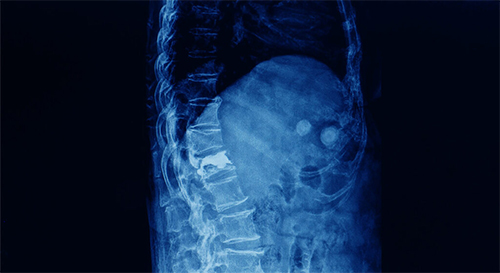
Non-vascular interventions are advanced minimally invasive procedures performed under imaging guidance such as ultrasound, CT scan, or fluoroscopy. These procedures allow specialists to accurately diagnose and treat a wide range of medical conditions affecting organs and tissues without the need for traditional open surgery.
By using small needles, catheters, or probes inserted through the skin, doctors can reach the targeted area with high precision. This approach significantly reduces surgical trauma, lowers the risk of complications, and shortens hospital stay. Most patients experience quicker recovery, minimal pain, and can return to their normal daily activities much sooner compared to conventional surgical methods.
Non-vascular interventional procedures are widely used in the management of tumors, infections, fluid collections, and organ blockages. These techniques have become an essential part of modern medical care due to their safety, effectiveness, and ability to treat complex conditions with minimal disruption to surrounding healthy tissues.
Ablative Procedures
Ablative procedures are specialized treatments designed to destroy abnormal or diseased tissue using controlled energy sources such as heat, radiofrequency, microwave, or cryotherapy. These techniques are highly effective for treating both cancerous and non-cancerous lesions.
During the procedure, a small probe or needle is carefully inserted into the targeted tissue under imaging guidance. Once positioned correctly, the energy source is applied to eliminate the abnormal cells while preserving surrounding healthy structures. This targeted approach ensures high precision and excellent treatment outcomes.
Ablative therapies are commonly used for the treatment of primary tumors, metastatic lesions, and benign growths in various organs.
These procedures offer a highly effective treatment option for patients who may not be ideal candidates for surgery or those seeking minimally invasive alternatives.
Image-Guided Biopsies and Drainage Procedures
Image-guided biopsies and drainage procedures are essential diagnostic and therapeutic interventions performed using real-time imaging techniques. These procedures allow doctors to precisely access abnormal areas within the body and obtain tissue samples or drain infected or obstructed fluid collections.
By using imaging guidance such as ultrasound or CT scan, specialists can safely guide needles or catheters to the exact location of the problem. This ensures accurate diagnosis while minimizing risk to surrounding structures.
These image-guided procedures are highly safe and effective, providing rapid relief from symptoms and helping doctors accurately diagnose and treat complex medical conditions with minimal patient discomfort.